

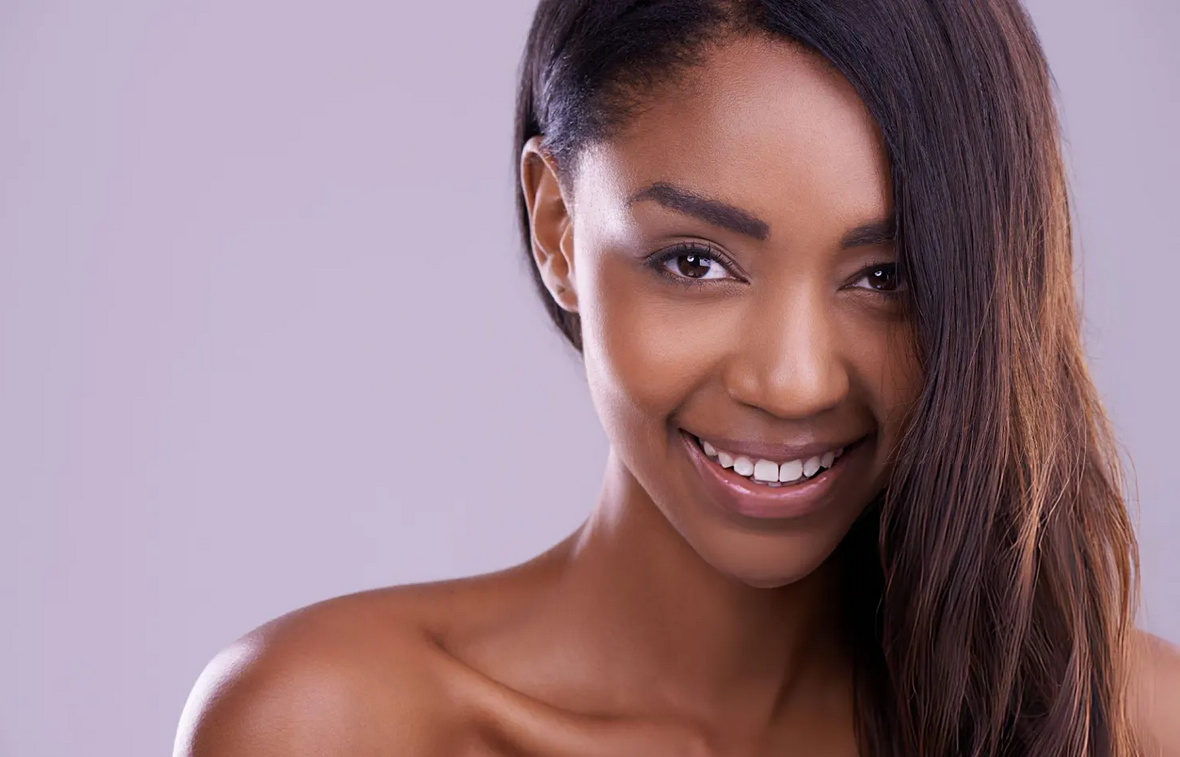
Relaxed hair can absolutely grow and stay healthy, but length retention usually becomes difficult when breakage, thinning, and daily styling stress are treated like separate issues instead of part of the same routine. Hair that has been chemically straightened needs a little more intention because it is often balancing two textures at once, especially during new growth, while also dealing with dryness, heat exposure, friction, and tension from everyday styling. The good news is that healthy progress does not always come from doing more. In many cases, it comes from doing less damage, keeping the hair and scalp supported, and choosing habits that protect fragile strands before they begin to snap.
Why relaxed hair struggles when daily styling becomes too demanding
Textured hair, even when it has been straightened, still has natural weak points where bending, dryness, and friction can lead to breakage. That is one reason some people use Relaxed Straight Hair Extensions as part of a low-manipulation routine, especially when they want a polished look without constantly flat ironing or re-styling their own strands. When relaxed hair is exposed to repeated combing, tight styling, and dry air, it may look neat on the outside while slowly weakening underneath.
Another common issue is that many people focus only on visible breakage at the ends, when the real problem may begin much earlier in the routine. Rough detangling, brushing dry hair, overlapping relaxer applications, and skipping moisture can all create stress that builds over time. Hair does not usually break all at once. It often breaks little by little until fullness, softness, and retention begin to disappear.
Thinning can also be made worse by styles that pull too hard around the hairline or crown. Even a neat everyday bun can become a problem if it creates the same tension in the same spot every week. When relaxed hair is already vulnerable, small habits matter more than people realize.
Build a routine around moisture, strength, and scalp support
Healthy relaxed hair does best with balance. Moisture helps the hair stay flexible, while protein can help reinforce weakened areas when used appropriately. If the hair feels mushy, overly stretchy, or limp, it may need strengthening. If it feels rough, brittle, or stiff, it likely needs hydration and softness. Paying attention to how your strands respond is more useful than blindly following a trend.
For many people with textured roots and straightened lengths, learning How To Grow Relaxed Hair starts with respecting both the scalp and the line of demarcation where new growth meets processed hair. That area is often the most fragile part of the strand, which means rough detangling and frequent heat styling can quickly undo progress. Gentle wash days, moisturizing leave-ins, and finger detangling before using tools can make a real difference over time.
A strong routine does not have to be complicated. It just needs to be consistent. Focus on habits such as:
● Deep conditioning regularly to improve softness and elasticity
● Using a lightweight moisturizer or leave-in before styling
● Keeping the scalp clean instead of layering heavy product buildup
● Trimming split or frayed ends before they travel upward
● Spacing out heat use so the hair has time to recover
Reduce breakage by changing how you handle your hair every day
Length retention often improves when everyday handling becomes gentler. That means not just what products you use, but how you touch your hair from morning to night. Relaxed hair usually responds better to soft, deliberate care than aggressive styling. A silk scarf, a wide-tooth comb, and a little patience can do more for retention than a shelf full of products used inconsistently.
Heat is another major factor. Many people do not realize how often they are exposing their hair to stress through touch-ups with a flat iron, hot comb, or blow dryer. Even when the temperature seems manageable, repeated passes can dry the cuticle and make the ends more likely to split. If the goal is healthier hair, try saving direct heat for occasional styling instead of daily maintenance.
It also helps to pay attention to your environment. Cold weather, indoor heating, sun exposure, and even rough clothing can affect how the hair feels and performs. Hair rubbing against wool coats, cotton pillowcases, or high-neck sweaters may not seem serious, but over time that friction can contribute to dryness and breakage, especially at the nape and ends.
Choose low-manipulation styles that protect progress instead of hiding damage
Protective and low-manipulation styling can help relaxed hair retain length, but only when the style truly reduces stress. A style is not automatically protective just because it stays in place for a few days. If it pulls at the roots, requires constant brushing, or leaves your hair dry underneath, it may be doing more harm than good. The goal is to reduce daily handling while keeping the hair comfortable and supported.
Good options often include wraps, roller sets, loose buns, pin curls, and styles that keep the ends tucked away without too much tension. Some people also rotate in extension-based looks when they want to cut down on heat and daily styling pressure. The key is to make sure your own hair underneath is moisturized, clean, and not braided or pinned too tightly.
If your hair has been breaking for a while, avoid the temptation to chase immediate length by forcing growth with harsh methods. The better approach is to make your routine calmer, more consistent, and easier to maintain week after week. Relaxed hair usually responds best when it is treated gently enough to keep the length it already has.
Healthy Hair Tips to Remember
Growing relaxed hair is rarely about one miracle product or one perfect wash day. It is usually the result of small choices repeated consistently: less tension, less unnecessary heat, better moisture, smarter trims, and more respect for fragile strands. When breakage and thinning are addressed early, the hair has a much better chance of holding on to length.
If your current routine leaves your hair feeling stressed, dry, or thinner than it used to be, that is a sign to simplify and protect what you already have. Healthy progress comes from supporting the hair daily, not fighting it. When your routine works with your texture instead of against it, stronger and fuller-looking hair becomes much more realistic.