

A tattoo can represent an important moment, relationship, or personal interest. However, people’s tastes and circumstances change, and artwork that once felt meaningful may no longer suit their identity. Some tattoos also become less distinct as their lines soften or colors fade. Rather than living with an unwanted design, individuals may consider transforming it into something new. Searching for tattoo shops that offer cover-up work can be a starting point. Understanding the creative limitations, design options, and preparation involved helps people approach the process with realistic expectations instead of rushing toward another permanent decision.
Understand Why the Original Design Changed
Not every unwanted tattoo was a mistake. A meaningful symbol may simply belong to an earlier stage of life. Others become difficult to recognize because of fading, crowded lettering, or changes in skin appearance.
Before planning a replacement, identify what actually bothers you. Is it the subject, placement, color, or quality of the artwork? Knowing the answer can help determine whether a cover-up, selective reworking, or a consultation about removal options deserves consideration.
Explore What a Cover-Up Can Achieve
Cover-up tattoos work by incorporating or visually disguising existing pigment within a new design. The original artwork’s darkness, size, and position influence what can realistically be achieved.
A small, pale design may offer greater flexibility than a dense black tattoo. Certain shapes can be incorporated into new artwork, while other areas may need stronger shading. A cover-up cannot simply erase pigment, and the underlying image may remain partially noticeable.
Think Beyond Making the Design Bigger
One common misconception is that covering an old tattoo always requires a much larger piece. Size matters, but effective design also depends on contrast, placement, composition, and how existing lines are incorporated.
A skilled artist may suggest flowers, ornamental patterns, animals, or abstract compositions depending on the original artwork. The goal is to create a coherent new piece rather than place a random dark image over the unwanted design.
Prepare Reference Images Carefully
When researching tattoos near me, people often collect photographs of finished pieces they admire. Those references can communicate preferred styles, but they should not be treated as exact templates for a cover-up.
Bring clear photographs of the current tattoo and examples of the desired aesthetic. Explain which elements you want to keep or avoid. An artist needs to consider your existing pigment and individual anatomy before proposing a workable design.
Consider Whether Lightening Is Necessary
Some dark tattoos may offer limited cover-up possibilities without first reducing the existing pigment. A qualified professional can explain whether laser lightening or another appropriate option deserves consideration.
Removal and lightening procedures have their own risks, costs, and limitations. Skin tone, pigment composition, and previous scarring may influence results. Medical advice is important when evaluating treatment suitability, particularly if the area has unusual skin changes.
Ask Questions Before Committing
A consultation should provide a clear understanding of the proposed design and the work involved. Important topics include:
-
Whether the original tattoo can be sufficiently concealed.
-
Which colors and styles offer realistic options.
-
Whether multiple sessions may be required.
-
How existing scarring could affect the artwork.
-
What aftercare and healing arrangements are recommended.
Clear communication helps prevent another impulsive decision. It also gives the artist an opportunity to explain limitations before work begins.
Give the New Design Time to Develop
Cover-up artwork often benefits from more planning than a completely new tattoo. The artist may need to build a composition around existing lines while keeping the finished image balanced.
Avoid demanding an immediate solution simply because you feel uncomfortable with the old piece. Reviewing preliminary ideas and discussing necessary changes can lead to a design that feels more personal and intentional.
Understand Healing and Long-Term Care
A cover-up still involves tattooing the skin, so ordinary tattoo aftercare remains important. Follow the artist’s instructions regarding cleaning, moisturizing, friction, and sun exposure during healing.
Do not pick at healing skin or assume a larger, darker tattoo will heal identically for everyone. Increasing redness, significant swelling, fever, or unusual discharge should be assessed medically. Once healed, sun protection can help limit further fading.
Conclusion
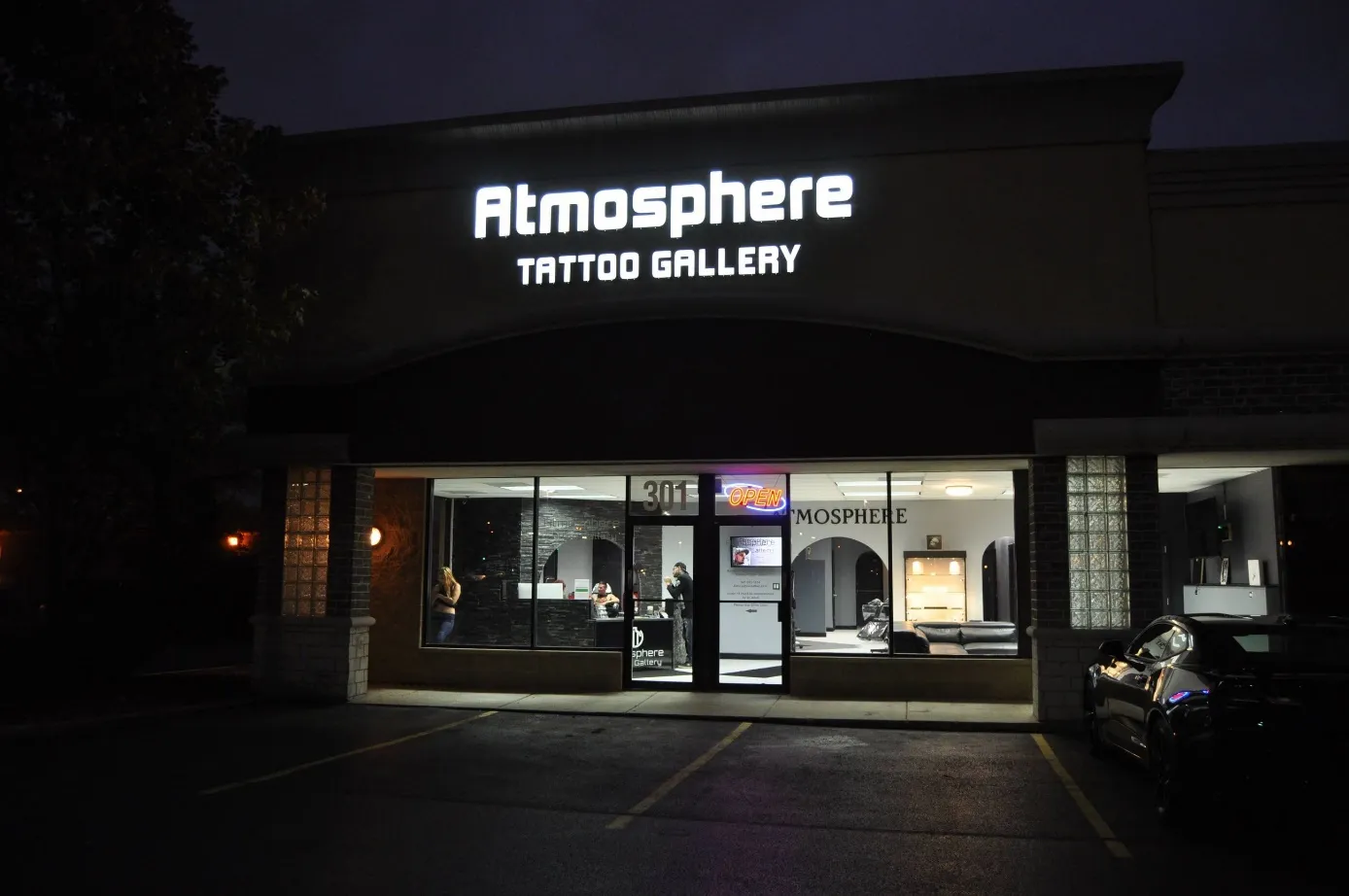
Changing an unwanted tattoo can be an opportunity to create artwork that better reflects current preferences. Successful cover-ups require an understanding of existing pigment, design limitations, and the importance of professional planning. Rather than selecting a replacement immediately, individuals should discuss realistic options and allow time for thoughtful decisions. For people exploring custom tattoo and cover-up services in Chicago’s northwest suburbs, atmospheretattoo.com offers information about available artists and studio locations. A carefully designed transformation can give an older piece renewed meaning while respecting the permanence of body art.